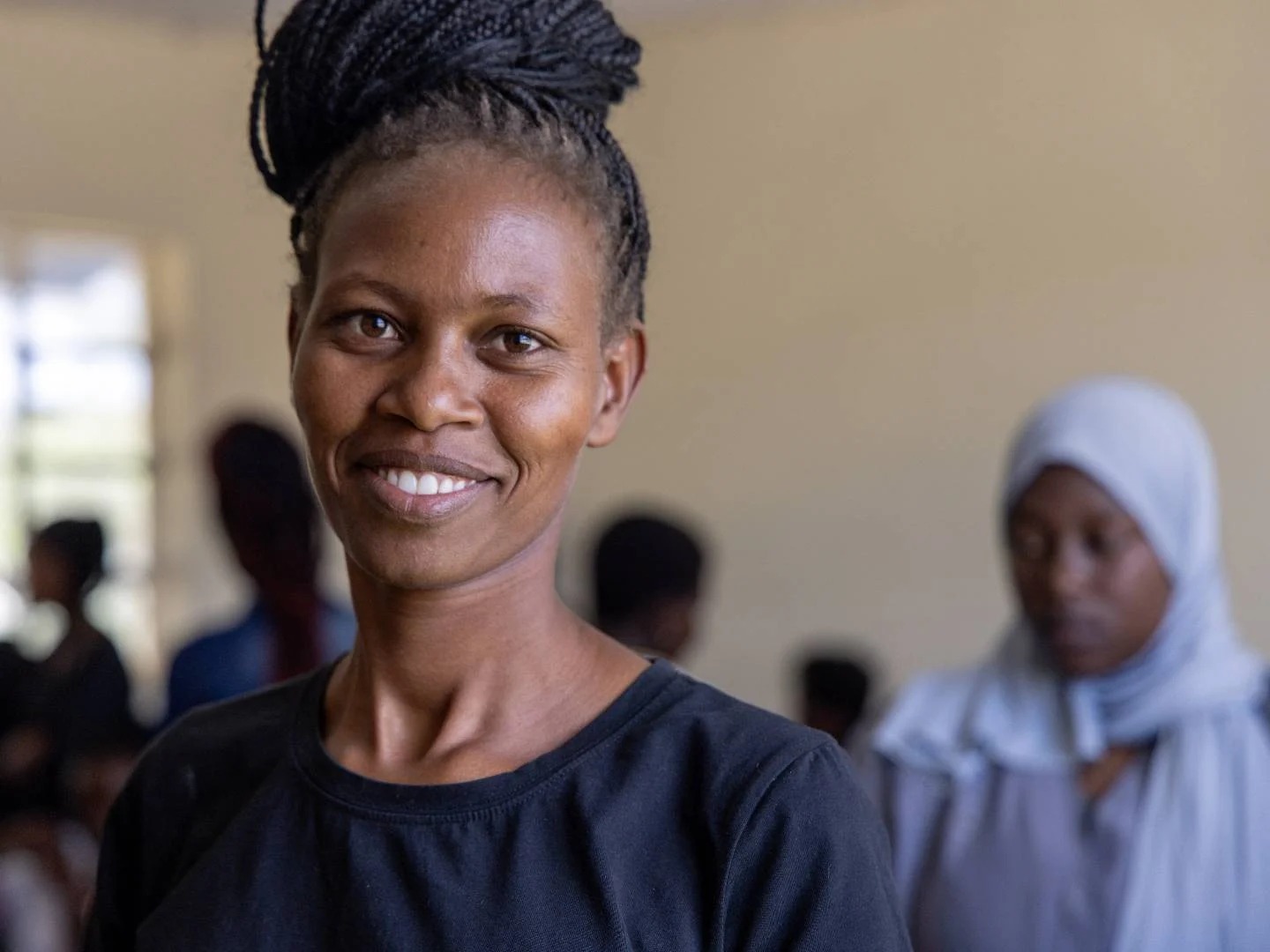
Data-Driven Learning
We embed systematic learning into program implementation and research activities, using evidence to trace patterns, test assumptions, and understand how change takes shape across individual, household, and community levels.
Insights from program tracking and participant reflection contribute to a growing understanding of workforce entry, gender norms, and rural economic opportunity. Learning therefore operates both internally and outwardly, strengthening programs while informing broader dialogue, policy conversations, and practice across the sector.
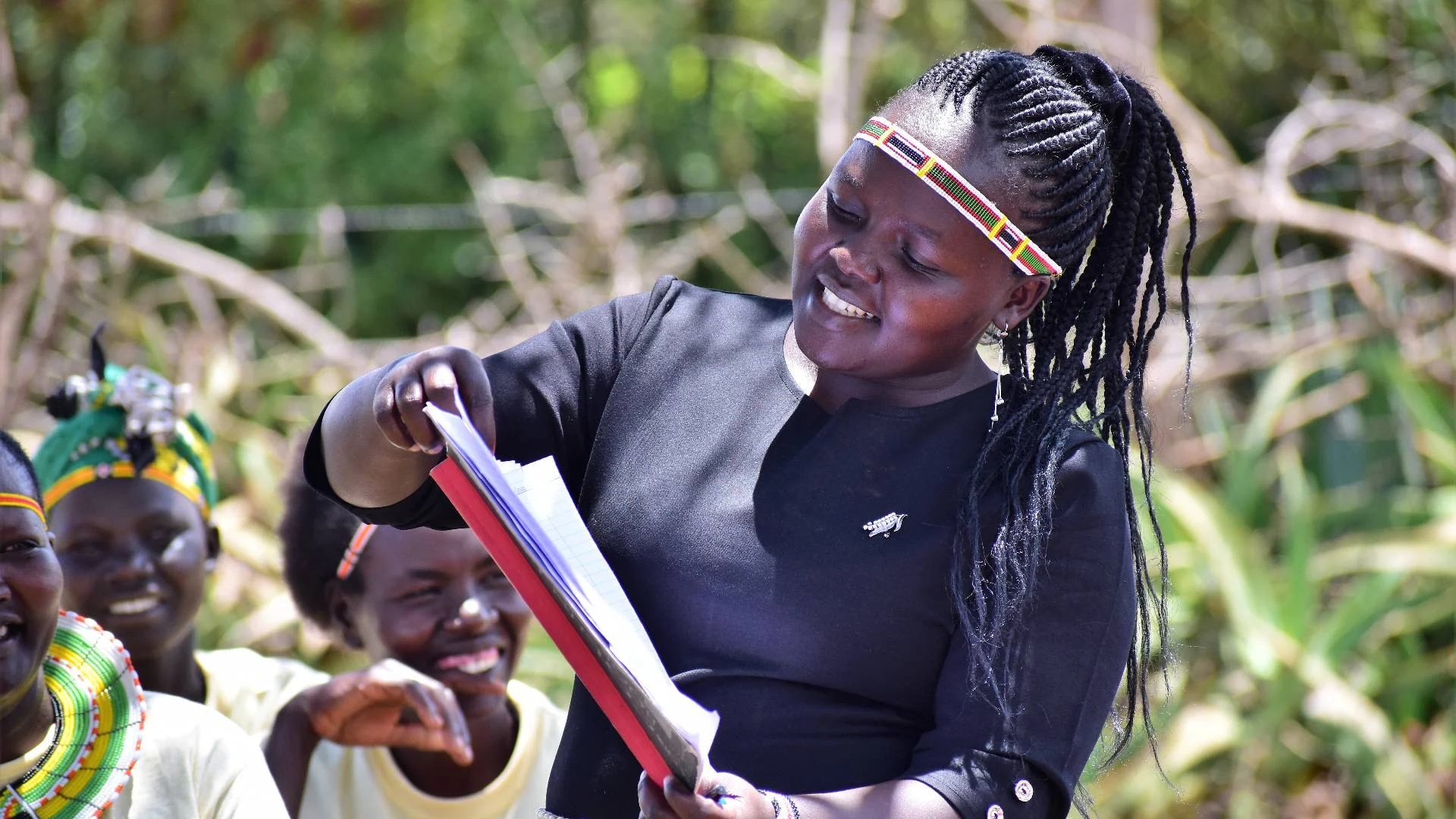
Progress and Impact Tracking
We practice data-informed decision-making to ensure programs are meeting intended outcomes / impact. Program tracking keeps implementation on track while impact assessments ensure desired outcomes are being achieved. Continuous learning and feedback loops improve programming iteratively while keeping us in-step with changing contexts and needs in the communities we serve. Outcomes we track include work participation, workforce readiness, gender-equitable mindset shifts, career pathway connections.

Storytelling
When we designed the building layout for HER Lab, we included a Media Salon, believing that participants would appreciate a private space where they can tell their stories in film, written format, photographs or artwork. These stories provide the world with another layer of qualitative data to support ongoing data-driven learning.
Journalizing
Journalizing, Global Give Back Circle’s future-focused research methodology, engages adolescent girls and young women from marginalized circumstances to respond to weekly prompts about their experiences with education, cultural expectations, family responsibilities, work, and community life. Collected in multiple languages, these reflections encourage young women to critically self-reflect, set goals, and master communication skills – while simultaneously sharing rich sources of qualitative data.
This innovative approach to qualitative data collection provides a unique view into the needs and preferences of marginalized, young rural women, who’s voices have been left out of conversations about labor force and economic development in sub-Saharan Africa. Journalizing serves as a stage for marginalized women and girls to provide context around what they need to participate in the new economy, ensuring they are not left out / behind in development.